

Living in San Antonio, TX, I contacted RedTail Roofing to evaluate my roof insulation after dealing with uneven indoor temperatures and higher energy bills. For Texas attics, blown-in fiberglass roof insulation paired with proper air sealing performed best, helping control heat transfer, improve comfort, and support roof performance during hot summers and cooler winter nights.
Why My San Antonio Attic Was Making The House Uncomfortable
Owning a home in San Antonio means your attic takes a beating almost year-round. Even in winter, warm days followed by cool nights can expose problems fast. I noticed certain rooms stayed warmer than others, and the heater ran longer than expected. The house never felt balanced.
During the inspection, RedTail Roofing explained that many homes built in the 1990s still have original insulation. Over time, that insulation compresses, shifts, and leaves open gaps. In my attic, fiberglass batts had flattened and pulled away from vents and roof penetrations. Heat escaped easily at night, and during warmer days, heat built up faster than it should have.
Texas heat accelerates this process. Long stretches of high temperatures break insulation down faster than homeowners expect. Winter is often when people finally notice the problem because heat loss becomes obvious during cooler mornings.
How Roof Insulation Impacts Homes In San Antonio, TX
Roof insulation plays a major role in indoor comfort and energy use, especially in South Texas. In San Antonio, the attic often becomes the hottest part of the home. If insulation coverage is uneven or outdated, heat moves directly into living spaces.
Poor roof insulation can lead to:
- Temperature differences from room to room
- Higher heating and cooling costs
- HVAC systems cycling more often
- Reduced comfort during seasonal changes
RedTail Roofing also explained how insulation works together with attic ventilation. Without proper airflow, even good insulation struggles. Their inspection included checking roof decking, vents, and airflow patterns to make sure everything worked as a system.
Which Roof Insulation Options Make Sense For Texas Attics?
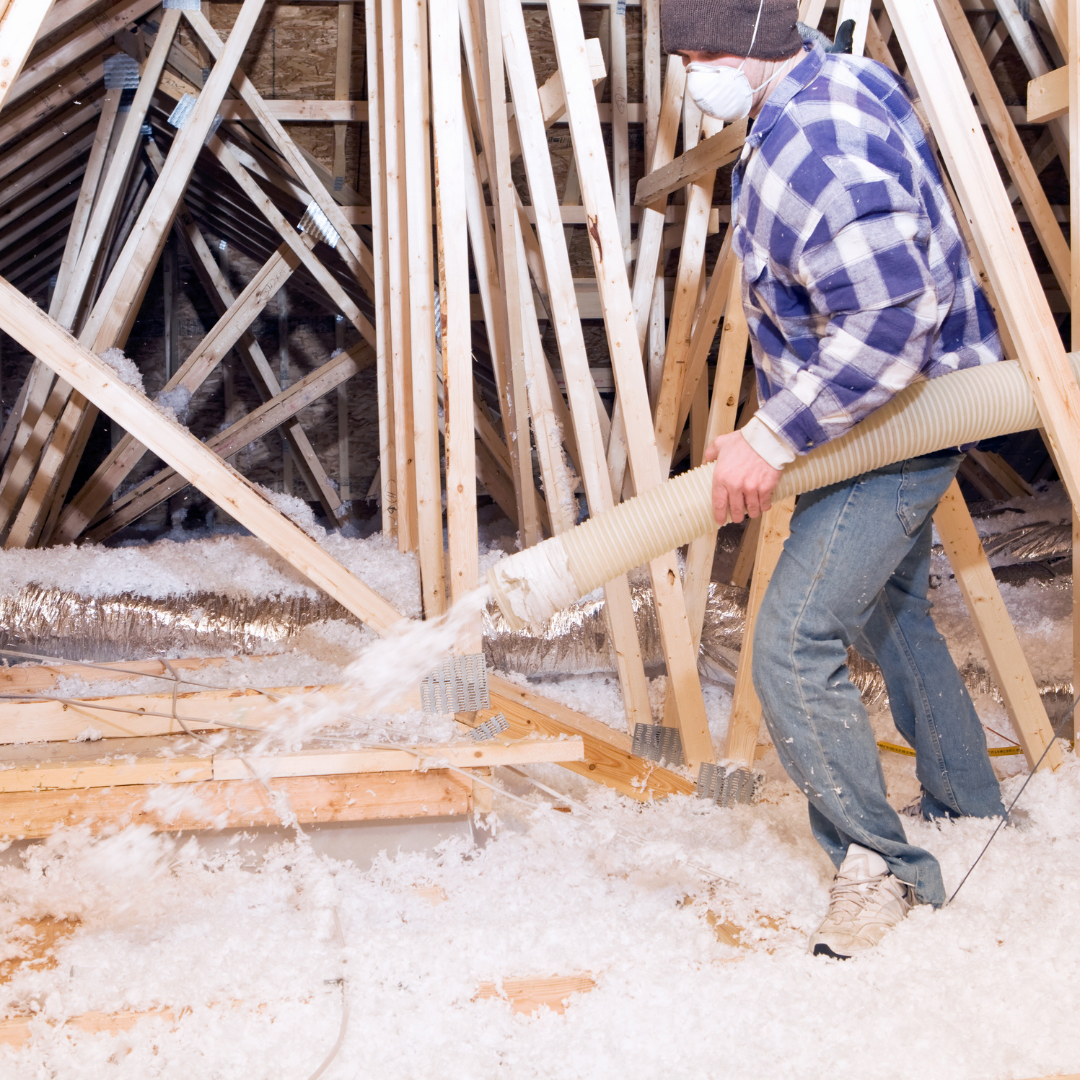
Why Blown-In Fiberglass Roof Insulation Performs Well In San Antonio
Blown-in fiberglass roof insulation is one of the most practical options for San Antonio homes. It spreads evenly across the attic floor and fills gaps that older insulation often leaves behind.
For my home, RedTail Roofing recommended blown-in fiberglass because:
- It covers hard-to-reach areas around vents and wiring
- It holds up well under Texas heat
- It improves thermal performance without stressing the roof framing
- It works well when replacing older insulation
This option is especially effective for homes where existing insulation has settled or thinned out over time.
Is Spray Foam A Better Option For Texas Homes?
Spray foam insulation can work in certain situations, but it is not always the best choice for every attic. It costs more and requires careful planning around ventilation. In my case, blown-in fiberglass provided strong performance without unnecessary complexity.
Are Traditional Fiberglass Batts Still Used?
Fiberglass batts are still common in new builds, but in older San Antonio homes, they often lose effectiveness. Heat exposure causes batts to compress and shift, which reduces coverage and performance.
How RedTail Roofing Handled My Roof Insulation Upgrade
RedTail Roofing began with a full roof inspection, not just a quick attic check. They measured insulation depth, identified air leaks, and evaluated ventilation. They also checked the roof decking to confirm it supported an insulation upgrade.
What The Installation Process Looked Like
The insulation work included:
- Removing damaged or compacted insulation
- Sealing gaps around attic penetrations
- Installing blown-in fiberglass to the recommended depth
- Verifying airflow and ventilation balance
The entire installation took one full day. The crew worked efficiently and kept everything clean. Their focus stayed on improving attic performance, not just adding material.
How Long Roof Insulation Installation Takes In San Antonio
Most attic insulation projects in San Antonio take one day. Larger attics or homes with limited access may take slightly longer, but the timeline is usually straightforward.
Winter is a common season for insulation upgrades. Cooler nights make heat loss easier to feel, and homeowners often want improvements done before summer heat returns.
What Roof Insulation Costs In San Antonio, TX
My insulation upgrade fell between $1,800 and $3,500. Pricing depends on attic size, insulation depth, and how much air sealing is needed. These ranges align with typical San Antonio averages for attic roof insulation work.
While insulation requires an upfront investment, the comfort improvement was noticeable right away. Reduced HVAC use helped offset energy costs during colder weeks.
How The New Roof Insulation Changed My Home
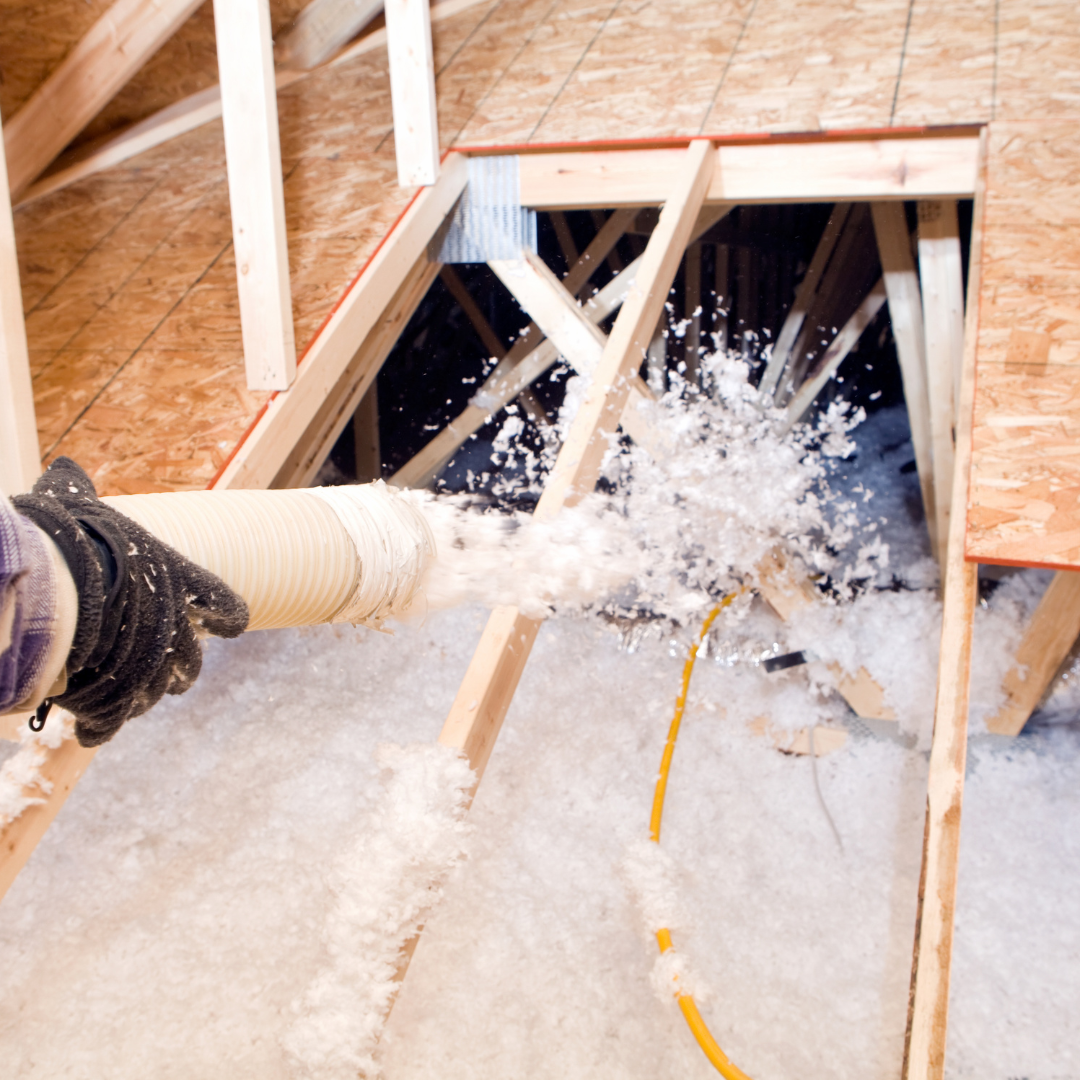
After the upgrade, the difference was clear:
- Temperatures stayed more consistent
- Drafty areas improved
- The heater ran less often
- The attic felt better prepared for summer heat
Knowing the roof insulation was properly installed gave peace of mind heading into warmer months. The home felt more balanced throughout the day and night.
Roof Insulation Questions San Antonio Homeowners Ask
How Can I Tell If My Attic Insulation Is Failing In San Antonio, TX?
Uneven room temperatures, rising energy bills, or thin insulation coverage are common signs. A roof inspection can confirm the condition.
Does Roof Insulation Help With Texas Summer Heat?
Yes. Proper roof insulation reduces heat transfer from the attic, helping homes stay cooler during long periods of high temperatures.
Will Adding Insulation Affect My Roof Structure?
When installed correctly, insulation supports overall roof performance. RedTail Roofing checked the roof decking and ventilation before installing new insulation.
Is Winter A Smart Time To Upgrade Roof Insulation In San Antonio?
Winter makes heat loss easier to detect. Upgrading during this season also prepares the attic for summer heat.
Should Insulation Be Installed Without A Roof Inspection?
No. A roof inspection helps identify ventilation issues and air leaks that affect insulation performance.
Why San Antonio Homeowners Trust RedTail Roofing
RedTail Roofing understands how Texas weather impacts roofs and attic systems. Their inspection process focused on real conditions inside my attic, not generic recommendations. Communication stayed clear, timelines were realistic, and the work addressed the root cause of the problem.
In addition to roof insulation, RedTail Roofing also provides roof repair and roof ventilation evaluations, allowing homeowners to address related concerns during one visit. Their local experience showed throughout the process.
Get A Free Roof Insulation Inspection In San Antonio, TX
If your home feels uncomfortable or energy bills keep climbing, roof insulation may be part of the issue. In San Antonio, TX, RedTail Roofing offers roof inspections that evaluate insulation, ventilation, and roof conditions together.
Contact RedTail Roofing today to get a free roof inspection and find out which roof insulation option works best for your attic.


