
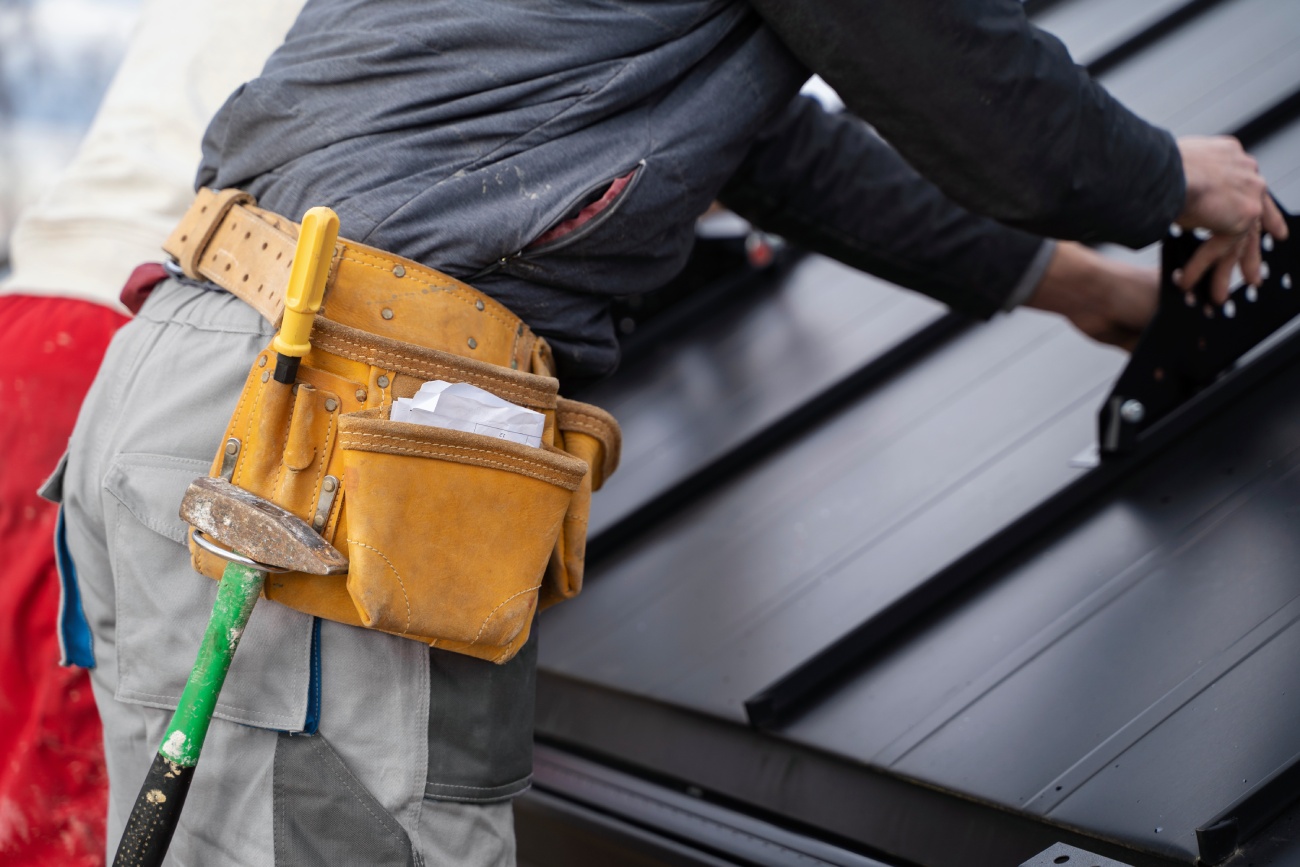
Choosing the right roofing material is one of the most important decisions Texas homeowners can make. With extreme heat, intense sunlight, high winds, and seasonal storms, roofs in Texas must be built for durability and performance. Two of the most popular long-term roofing options are tile roofing and metal roofing—but which one is best for your home?
The answer depends on your budget, home style, and long-term goals. Understanding the differences between tile and metal roofing can help you make a confident, informed decision.
How Texas Weather Impacts Roofing Choices
Texas weather is known for pushing roofing materials to their limits. Prolonged heat causes expansion and contraction, UV rays break down weaker materials, and storms test wind resistance and waterproofing.
Both tile and metal roofing systems perform exceptionally well in these conditions when compared to traditional asphalt shingles. However, each material offers unique advantages depending on what you value most in a roof.
Durability and Lifespan Comparison
One of the biggest reasons homeowners choose tile or metal roofing is longevity.
Metal roofs are engineered for strength and flexibility. They resist cracking, warping, and moisture damage, making them highly effective against wind, rain, and hail. When properly installed, metal roofs can last 40–70 years or longer with minimal maintenance.
Tile roofs, including clay and concrete tile systems, are known for their exceptional lifespan. Tile roofs often last 50 years or more and can even exceed that timeframe in ideal conditions. Tiles are extremely resistant to heat and fire, which makes them especially well-suited for Texas homes.
Heat Resistance and Energy Efficiency
In Texas, energy efficiency is a major consideration.
Metal roofing reflects solar heat rather than absorbing it, which can help reduce attic temperatures and cooling costs during the summer months. Many metal roofing systems include reflective coatings that further improve energy efficiency.
Tile roofing naturally insulates homes by allowing airflow beneath the tiles. This ventilation helps regulate roof temperature and keeps homes cooler in hot weather. While tile roofs don’t reflect heat in the same way metal roofs do, their design still contributes to improved indoor comfort.
Appearance and Architectural Style
Aesthetics play a significant role in roofing decisions.
Tile roofs are often chosen for their classic and distinctive appearance. They pair well with Spanish, Mediterranean, and Southwestern-style homes, which are common throughout Texas. Tile roofing adds character and curb appeal that many homeowners value.
Metal roofs offer a sleek, modern look and are available in a wide range of colors and profiles. They work well with contemporary, farmhouse, and traditional home designs. Metal roofing can also be designed to mimic other materials, offering versatility in appearance.
Maintenance and Repairs
Both tile and metal roofs require less maintenance than asphalt shingles, but there are some differences.
Metal roofs typically require minimal upkeep beyond periodic inspections. They don’t crack or rot, and debris is easily shed from their surface.
Tile roofs are also low maintenance, but individual tiles can crack if impacted by debris or foot traffic. The advantage is that damaged tiles can often be replaced individually without removing large sections of the roof.
Cost Considerations
Upfront cost is often a deciding factor.
Metal roofing generally costs more than asphalt shingles but less than tile roofing in many cases. However, its long lifespan and low maintenance requirements often make it a cost-effective investment over time.
Tile roofing typically has a higher initial cost due to material weight and installation complexity. That said, its longevity and durability can offset the upfront expense for homeowners planning to stay in their homes long-term.
Which Roofing Option Is Right for Your Texas Home?
If you’re looking for a modern, energy-efficient roof with excellent durability and lower long-term maintenance, metal roofing may be the best choice. If you value timeless style, exceptional lifespan, and natural heat resistance, tile roofing may be the better option.
Both materials are excellent for Texas homes when installed by an experienced roofing contractor who understands local climate demands and building requirements.
Getting Professional Guidance Matters
Every home is different, and the best roofing choice depends on factors like roof structure, neighborhood guidelines, and budget. Consulting with a professional roofing contractor allows you to explore your options and choose a system that provides lasting protection and value.
For Texas homeowners, tile and metal roofs both offer outstanding performance. The key is selecting the right material—and the right contractor—to ensure your roof stands strong against Texas weather for decades to come.


